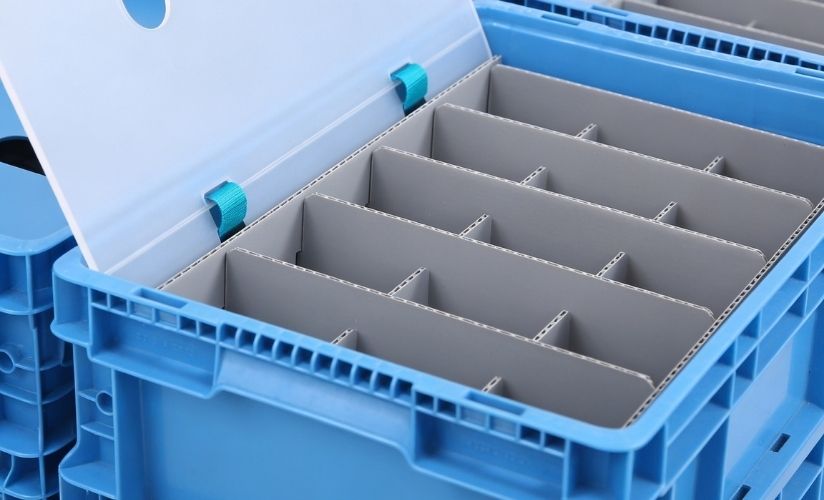
In the evolving landscape of industrial packaging and supply chain management, material selection is no longer just about protecting goods—it is a strategic decision that drives operational efficiency and sustainability.
Today, the global direction is moving decisively toward recycled materials and circularity. While plastic often faces scrutiny, its versatility remains a key asset in modern industry. The challenge is not avoiding the material, but learning to use it more responsibly, optimizing its lifecycle, enhancing recyclability, and making it as eco-efficient as possible.
Among the materials gaining rapid adoption across manufacturing and logistics sectors, Hollow Polypropylene stands out as a high-performance alternative to traditional packaging options. As industries face growing regulatory pressure and demanding operational environments, hollow PP offers a compelling balance of physical strength, resource efficiency, and long-term cost reduction.
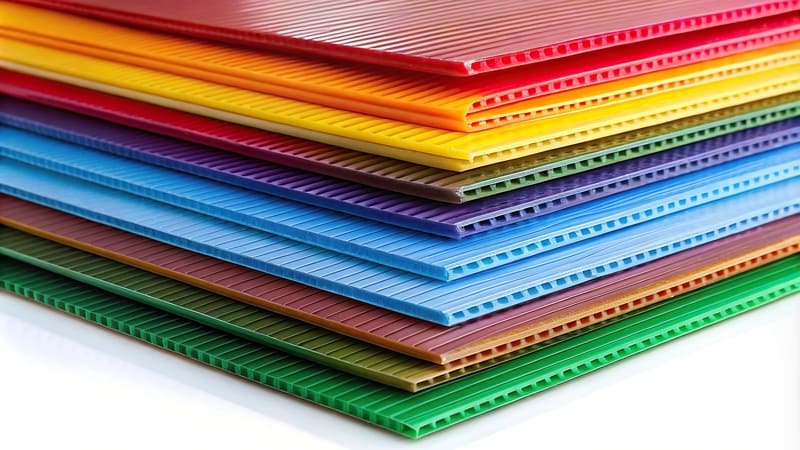
Engineered for Performance: Core Operational Advantages
Unlike standard packaging, hollow PP provides structural resilience specifically engineered for repeated industrial use. Key functional benefits include:
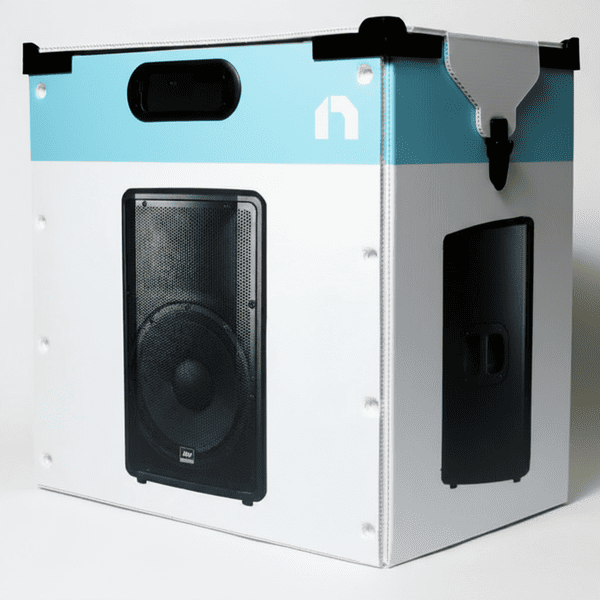
- High Strength-to-Weight Ratio: the hollow cellular structure minimizes total tare weight while maintaining structural integrity. This directly reduces freight energy costs without compromising protective capability.
- Impact and Compression Resistance: absorbs dynamic shocks and mechanical stress during handling and transit better than paper-based alternatives, significantly reducing damage rates for high-value components.
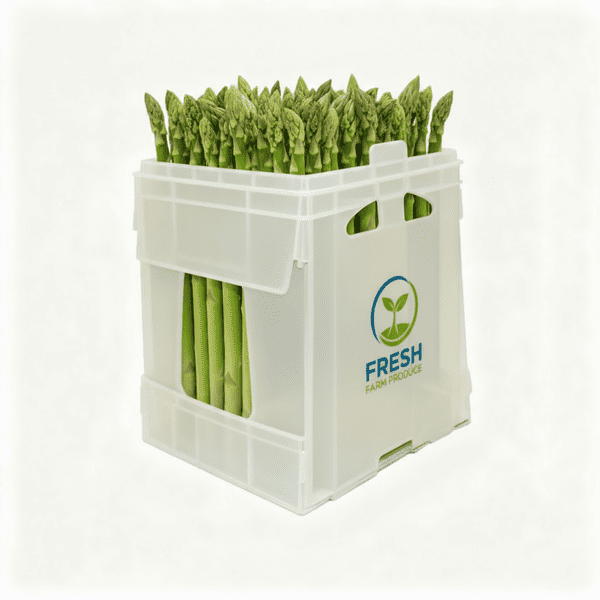
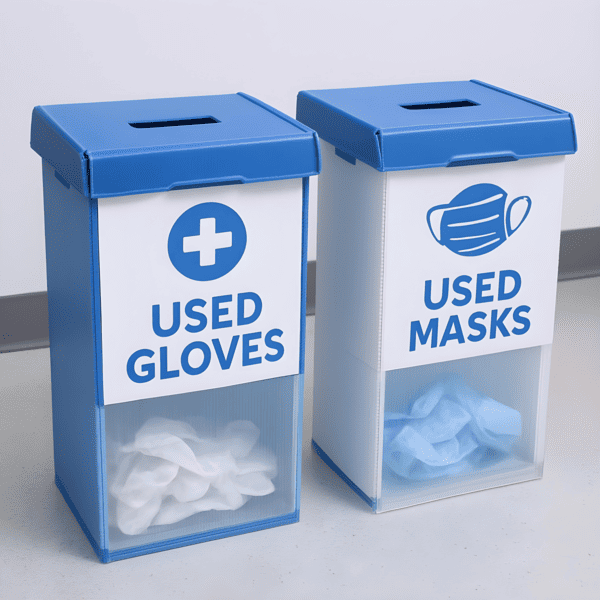
- Superior Hygiene and Chemical Resistance: Impervious to water, oils, and chemical spills. Hollow PP does not fiber-shed, absorb moisture, or foster microbial growth, making it ideal for clean-room environments, automotive parts supply chains, and food-grade applications.
- Multi-Trip Durability: built for closed-loop returnable packaging systems (RPIS). Where cardboard degrades after one or two uses, PP containers withstand dozens of logistics cycles, offering a lower total cost of ownership (TCO).
Advanced Extrusion Technology: In-Line Efficiency for Manufacturers
To meet the growing market demand for hollow PP packaging, extrusion technology must deliver maximum efficiency, precision, and production versatility. Our polypropylene hollow profile lines, with useful widths of up to 3200 mm, not only enable high levels of productivity but also outline the flagship of our production range.
Downstream automation integrated directly into the extrusion line plays a pivotal role in optimizing manufacturing performance:
- In-Line Edge Welding Unit: easy to integrate into existing PP hollow profile extrusion lines, this unit optimizes overall production time by shortening cycle times, allowing manufacturers to achieve more in less time with zero quality compromises.
- In-Line Creasing Unit: an integrated in-line creasing unit allows for immediate, high-precision folding preparation without delaying downstream production. Processing the material in-line drastically reduces total manufacturing time, optimizes plant footprint, and ensures flawless dimensional consistency for fast, efficient box assembly.

Sustainability in Action: Recyclability and the PPWR Alignment
Environmental responsibility in packaging has transitioned from a brand preference to a mandatory regulatory compliance imperative. Under the European Union’s Packaging and Packaging Waste Regulation (PPWR), industries must prepare for strict targets focused on waste reduction, mandatory design for recycling, and ambitious reuse quotas across transport and B2B logistics.
Hollow PP packaging fits directly into this regulatory vision:
- Driven by Reuse Targets: designed for high-frequency returnable cycles, PP containers directly support the PPWR’s mandates for reusable transport packaging, drastically reducing single-use waste.
- Integrates Post-Consumer & Post-Industrial Recyclate: containers can be manufactured using high percentages of Post-Consumer and Post-Industrial Recycled PP without sacrificing structural integrity or performance.
- 100% Design for Recycling: at the end of its extended service life, hollow PP packaging can be shredded, re-pelletized, and re-extruded into new industrial applications, fully closing the loop in line with EU circular economy criteria.
By transitioning to reusable, recyclable hollow PP packaging systems, companies not only optimize their internal logistics handling but also proactively align their operations with emerging EU circular economy standards.
Explore Omipa’s hollow profile PP extrusion lines and get in touch!